Tiling a Calgary basement: what the cold slab does to your floor
A basement is the hardest floor in the house to tile well: a slab on the ground, colder and damper than anywhere else, moving with the frost. Get the base wrong and the tile tells on you by spring.
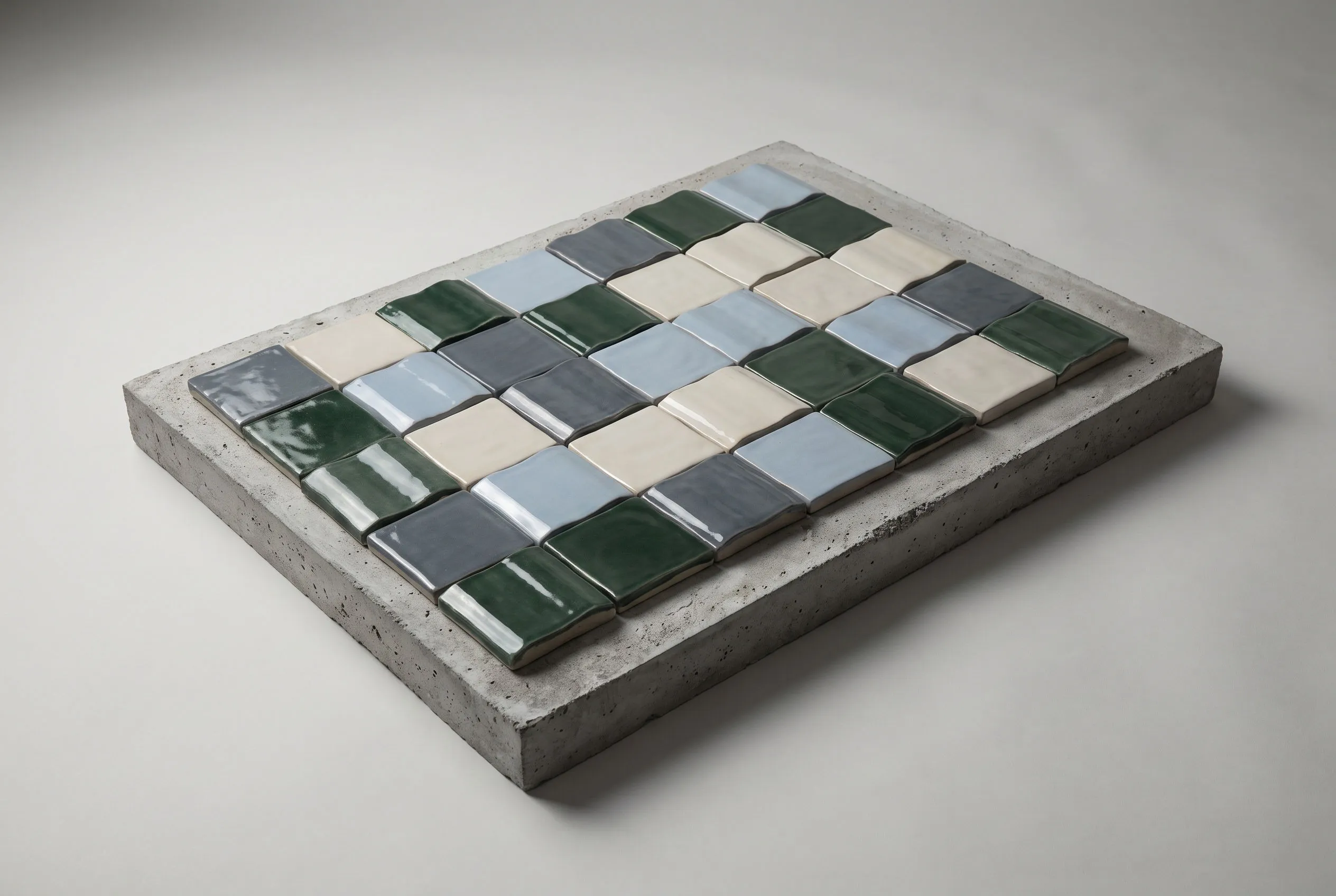
A basement is the hardest floor in the house to tile well. It’s a concrete slab sitting right on the ground — colder, damper, and closer to the frost than anywhere else in the house — and it moves with the seasons. Get the base wrong and the tile tells on you by spring. Here’s what a Calgary basement does to a floor, and what stops it.
Three things a Calgary basement does to tile
Frost heave
The slab sits on soil that freezes. Freezing soil expands and lifts the slab; the spring thaw drops it back. Tile bonded straight to that movement cracks — the floor didn’t fail, the rigid bond to a moving slab did. The fix isn’t a tougher tile. It’s uncoupling the tile from the slab so the movement never reaches it.
Cold joints
Where two concrete pours meet — the cold joint — each side of the slab is free to move on its own. Bridge that seam with rigid tile and grout and the seam becomes a crack line in your floor, right where you’d never choose to put one. The joint has to be honoured in the assembly, not ignored and tiled over.
Dry winter air
Calgary winters are bone-dry, and a basement in January is dry and cold. Thinset and grout that cure too fast in that air don’t reach full strength — they turn chalky and weak. Curing has to be managed for the conditions in the room, not rushed as if it were a July afternoon.
What actually makes a basement floor last
| Layer | Why it’s there |
|---|---|
| Uncoupling membrane over the whole slab | Keeps freeze-thaw movement out of the tile |
| Cold and control joints respected | Stops the slab’s seams becoming your floor’s cracks |
| A flat slab first | Grinding or self-levelling the low spots before tiling |
| Curing paced for dry air | Thinset and grout reach full strength instead of going chalky |
| Epoxy grout | Won’t absorb basement damp or craze at the joints |
Why winter is basement season
Basements get finished in the cold months — nobody’s using the yard, so the reno moves indoors. That’s the right time to do it, as long as the crew builds for the dry-air curing and the cold slab instead of pretending it’s summer.
None of this is exotic. It’s the difference between a floor that reads the freeze-thaw and one that fights it — which is the whole job in tile installation done for this climate. For the full cost picture, the tile installation price guide breaks down where the membrane and prep land on the invoice.